
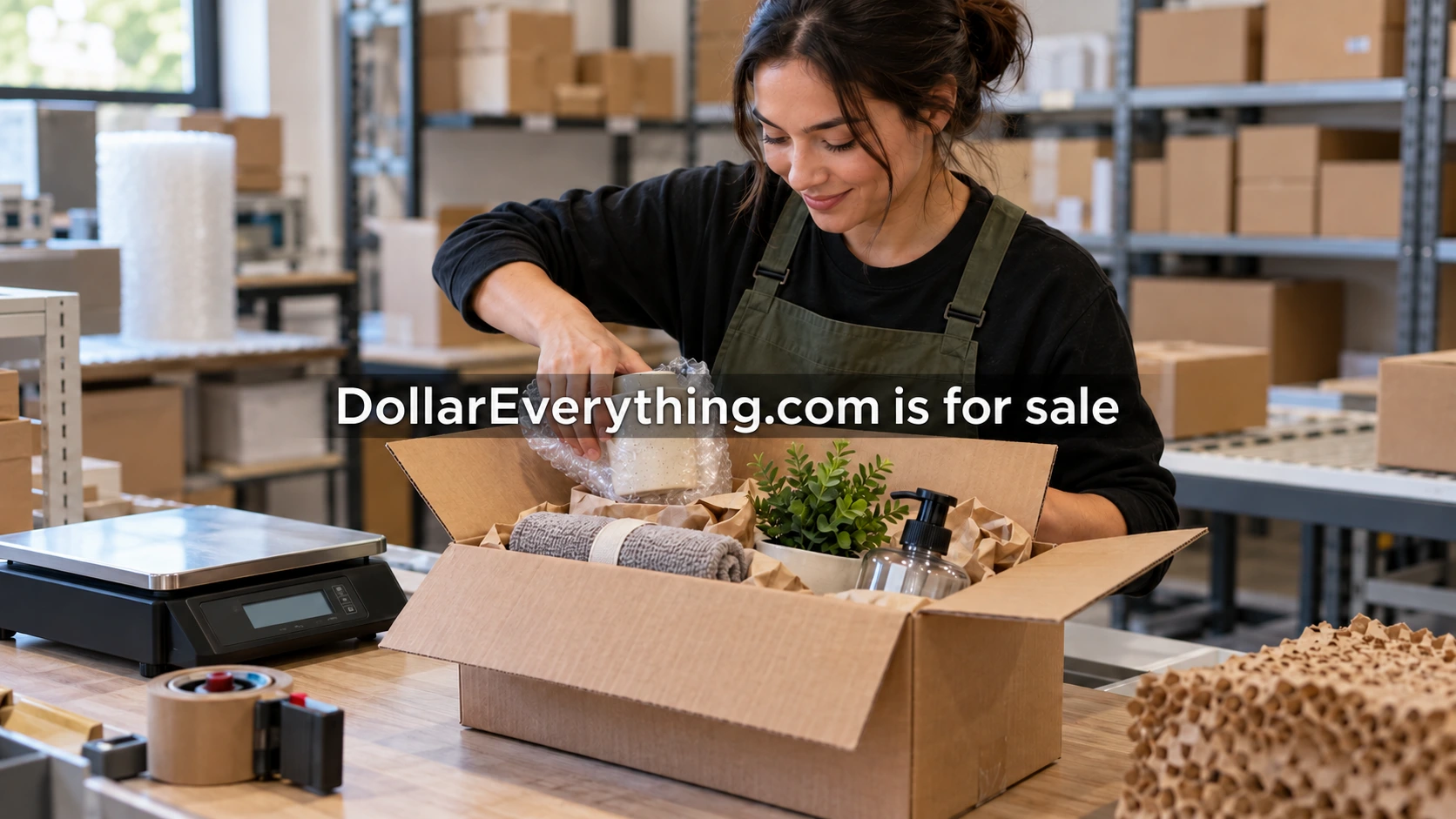
A low sticker price is only the beginning of a retail order. The customer pays for a basket, and the business has to deliver that basket. Between those two facts sit packaging, handling, payment costs, postage, returns, and support. A useful early retail model works through those costs at the order level before celebrating a margin on an individual item.
This guide uses hypothetical examples to show a method. The figures are invented for explanation, not supplier quotes, postage rates, or forecasts for a business. Replace them with current information from the actual suppliers, carriers, and payment services involved in the proposed launch.
Begin with a normal customer order
Choose a basket that resembles how someone might actually shop. A single low-priced item is one test, but it may not represent the expected order. A hypothetical household store might imagine four small items bought together for a particular task. Write down the units and quantities rather than calling the order a typical basket and leaving its contents undefined.
Then test an uncomfortable order. What happens when a customer buys only one product? What happens when the basket includes the largest or most fragile item? A model built only around the most convenient combination can conceal the orders that take the most work. These cases deserve attention before a delivery policy is advertised.
The target is a set of concrete scenarios, not a prediction of average behavior. Actual order data may later show a different pattern. At the planning stage, scenarios make assumptions visible so a founder can decide what needs a physical test or a customer interview.
Separate product cost from order cost
Imagine four items selling for a hypothetical total of twelve units of currency. Their purchase cost might be five units. The apparent difference is seven, but that is not yet the amount available to run the business. Add the packaging, the payment charge, and the time needed to pick and pack the order. Add the delivery cost if the business absorbs it.
For illustration, suppose packaging and handling together consume two units, payment costs consume one, and delivery consumes four. The seven-unit difference has disappeared. These are deliberately simple made-up amounts. Their purpose is to show why several small costs can matter greatly when the selling price is low.
Keep the categories separate in the worksheet. A supplier discount changes goods cost. Faster packing changes handling. A different carton may change packaging and postage together. Separate lines help a founder understand which decision improves the order and which merely moves a cost somewhere less visible.
Pack the actual goods
A spreadsheet cannot tell you whether a mug needs an extra layer of protection or whether a long brush forces a larger box. Put the sample goods on a table, choose the smallest suitable packaging, and assemble a parcel as it would leave the operation. Weigh it after the protective material, labels, and documents are included.
Measure the outside dimensions as well. The USPS explanation of parcel size, weight, and fee standards shows why a shipping estimate needs more than the unboxed product weight. A light item can still be awkward to send. A bundle that crosses a package threshold may behave differently from two smaller components viewed separately.
Photograph the tested parcel and save the measurements with the basket record. If a supplier changes the product or its packaging, repeat the relevant test. The old estimate belongs to the old object. This simple record can prevent a later catalog update from quietly breaking the delivery assumptions.
Compare current shipping options
Look at the services that actually suit the product, origin, destination, and delivery expectations. For a domestic United States example, USPS Ground Advantage provides an official starting point for service features and current purchasing information. A real comparison should use current quotes for the tested parcel rather than rates remembered from a previous project.
Decide who is paying each charge. A customer-paid delivery line still affects the total price and the willingness to complete the order. An included-delivery offer moves the charge into the business's economics. Neither arrangement makes the cost disappear. Show the customer a clear total early enough to make a useful decision.
Avoid choosing a service solely because one example is cheapest. Consider tracking, applicable coverage, handling restrictions, and the support process when a parcel is delayed or damaged. The right operational choice depends on the actual merchandise and customer promise. That decision should be documented alongside the quote.
Put handling time on the worksheet
Time a few sample orders from picking to ready for collection. Include finding the goods, checking quantity, printing documents, packing, and resolving an exception. A practiced demonstration may be faster than an ordinary shift, so record the conditions of the test. Do not turn the fastest observed result into the only labor assumption.
A kit may reduce the number of picking steps if it is assembled in advance, but preassembly also takes time and storage. A broad assortment may encourage browsing while making location management harder. These are tradeoffs a founder can test with a small set of physical orders before investing in elaborate systems.
Keep a separate allowance for customer support and returns. At first it may be a scenario rather than a measured rate. Label it as such, and test how the model behaves if it is higher than hoped. A small contribution per order can be sensitive to a few replacements, particularly when an inexpensive item costs almost as much to resend as it did to sell.
Test delivery thresholds carefully
A minimum basket or an included-delivery threshold can change the order pattern, but the threshold must come from the economics. Calculate several baskets just below and above the proposed line. The additional item may add contribution, or it may force a larger package and consume the benefit. More revenue is not automatically a better order.
Keep the customer explanation simple. If delivery depends on destination, basket, or service, present the relevant condition where it matters. A customer should not have to reconstruct the policy from several footnotes. Clear information also gives an early test a better chance of measuring interest in the actual offer.
The first useful outcome is a worksheet tied to one real packed basket, current supplier information, and current shipping quotes. From there, test the uncomfortable baskets and review the assumptions with the person who would handle the orders. A value-focused retail idea becomes easier to assess when the low item price and the full delivered order are visible together.