
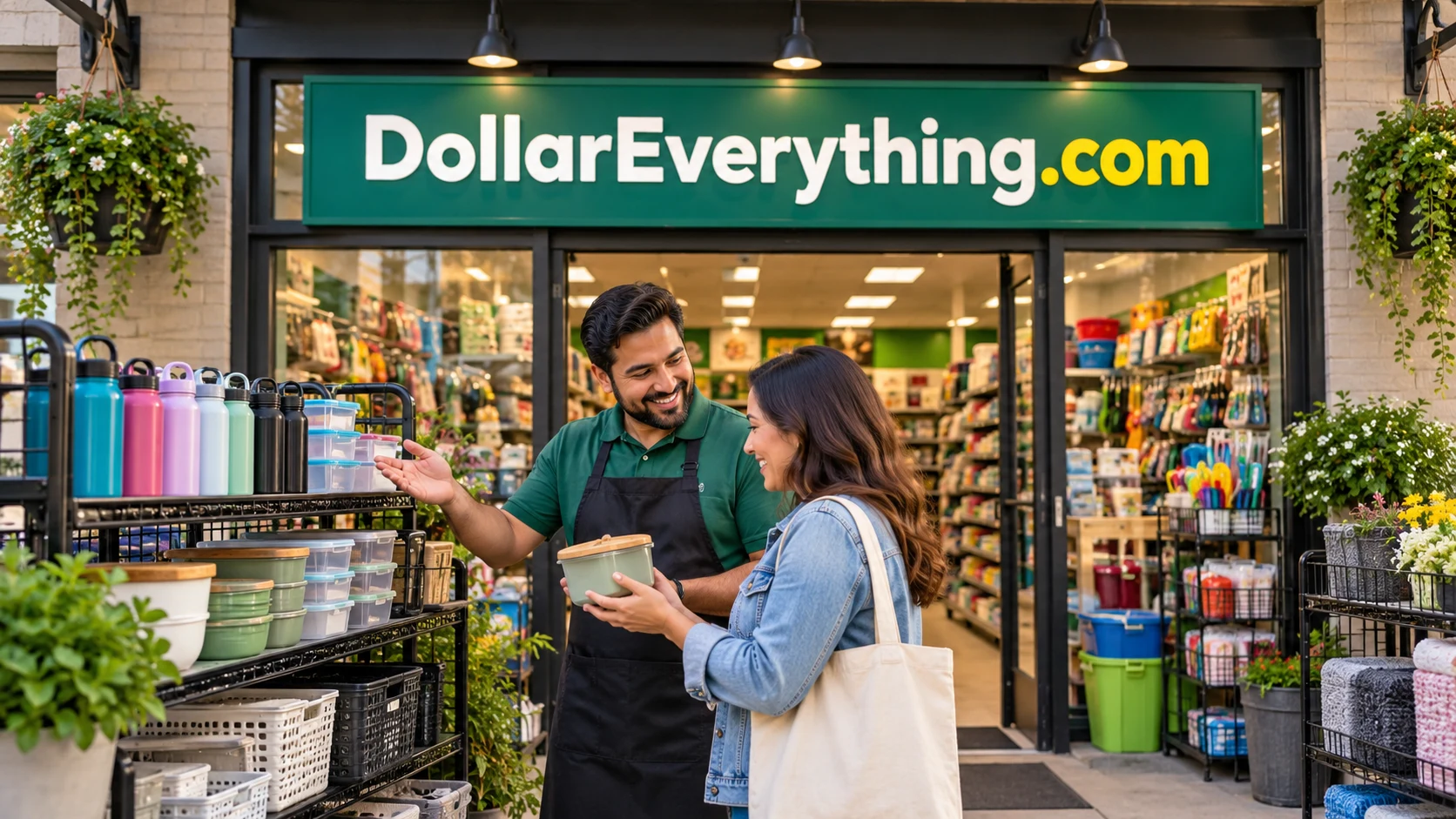
A neighborhood can have plenty of useful offers and no simple place to check them. Shop windows change, posts disappear down social feeds, and a visitor may not know whether an advertised price is still available. DollarEverything.com could become a local value guide that organizes current, verifiable offers around a small area. This is a hypothetical publishing and directory concept, with accuracy as the central operating job.
Draw a small boundary
Choose a district that one editor can cover. The initial map might include a compact high street and nearby independent shops. Starting with a whole region would multiply the time needed to check opening hours, offer conditions, and corrections before the directory has established a useful routine.
The reader job should also be narrow. Someone planning errands on a Saturday wants to know what is available, where to find it, and whether a detour is worthwhile. That is different from a tourist seeking the cheapest destination in a city. Write the first set of listings for a defined visit and let interviews reveal which filters matter.
Spend time with merchants before designing a complicated dashboard. Ask how they currently announce an offer, who keeps its details current, and what most often causes confusion at the till. A store owner may prefer a brief confirmation message once a week to maintaining another account. The service should fit that reality if it expects reliable information.
Design the smallest useful listing
Each offer needs a merchant name, location, product or service description, actual price, quantity or unit, availability conditions, and a checked date. Where an expiry date exists, show it. Where stock is limited, explain what the merchant has actually confirmed rather than presenting a countdown that implies certainty.
A hypothetical listing for a pack of household cloths should identify the pack size and the branch carrying it. It should not say cheapest in town without a defensible basis. If an offer requires a membership or a minimum purchase, place that fact alongside the price. Readers should be able to decide whether the listing applies to them before travelling.
The FTC's small-business advertising guidance provides a useful primary reference for thinking about claims and disclosures. The guide would need rules and advice suited to the area where it operates. The practical publishing goal is simple: give the reader enough visible information to check the deal and understand its limits.
Keep the map honest
A map marker should represent a verified location, not an approximate storefront chosen by an automated tool. Confirm the address with the merchant, then check that the visitor-facing link takes someone to the right entrance or branch. If a business has several locations, keep their offers separate unless the merchant confirms they apply everywhere.
Plan for an offer to expire automatically. A listing can leave the current results when its end date passes, with a clear archived state if retaining it helps readers. Offers without a fixed end should have a short recheck schedule. The exact interval is an editorial capacity decision, not a reason to leave an unverified discount in place indefinitely.
A correction route matters as much as submission. Let readers identify the listing and explain what was wrong without creating an account. Keep the message private while an editor checks it. The public correction can state the updated fact and date. A small correction log helps the team see whether particular fields or merchants need more attention.
Separate coverage from payment
The first version could be an independently selected guide. If a later version accepts sponsored placements, label them where readers encounter them and keep commercial terms separate from the factual listing fields. Paying for visibility should not make an expired offer appear current. A merchant relationship has to support the reader's trust rather than quietly replace the editorial standard.
Distribution can stay local too. A weekly roundup organized around a practical errand route may be more useful than a long alphabetical list. A local community newsletter might be willing to share it if the information is accurate and relevant, but that needs an actual conversation. Do not assume partnerships or an audience exist before testing them.
Measure usefulness with questions that fit the service. Did readers find a current offer? Did they understand the quantity and conditions? Could they report an error easily? Traffic alone would say little about whether the guide helped someone complete an errand. A few careful follow-up interviews can reveal more than a large dashboard in the early stage.
DollarEverything.com could bring these local entries under a memorable value-focused address. Its broad name would need a clear location heading so people know which area is covered. The first step is to interview nearby merchants, draft a handful of sample listings, and test the correction and expiry routine for several weeks. Expand only when the team can keep the existing area dependable.