People often buy supplies because they want to finish a task, not because they enjoy researching every small component. A project-kit business could organize affordable materials around a clearly described result. DollarEverything.com might provide a home for that approach, with honest total prices and a useful explanation of what each kit contains. The following is an illustrative concept for investigation, not a product currently offered.
Pick a task with a clear finish
Begin with something a customer can recognize as complete. A hypothetical drawer-organizing kit is easier to scope than a general home-improvement box. Its purpose might be to divide one specified drawer into useful compartments. The dimensions of that drawer, the included pieces, and the tools required would all shape whether the product is suitable.
Choose tasks with limited safety and compatibility complications for an initial test. A small team should understand the materials it sells and the instructions it provides. Products involving electricity, chemicals, food contact, or other specialized uses introduce questions that cannot be solved by a cheerful how-to card. Appropriate product expertise and applicable requirements need to be part of those decisions.
Prototype the task before naming the collection. Use the actual components, follow the proposed instructions, and note what is missing. An inexpensive kit can become frustrating when a customer discovers that a common-looking accessory is essential but excluded. The packaging should list required extras as clearly as the included contents.
Write a bill of materials a buyer can read
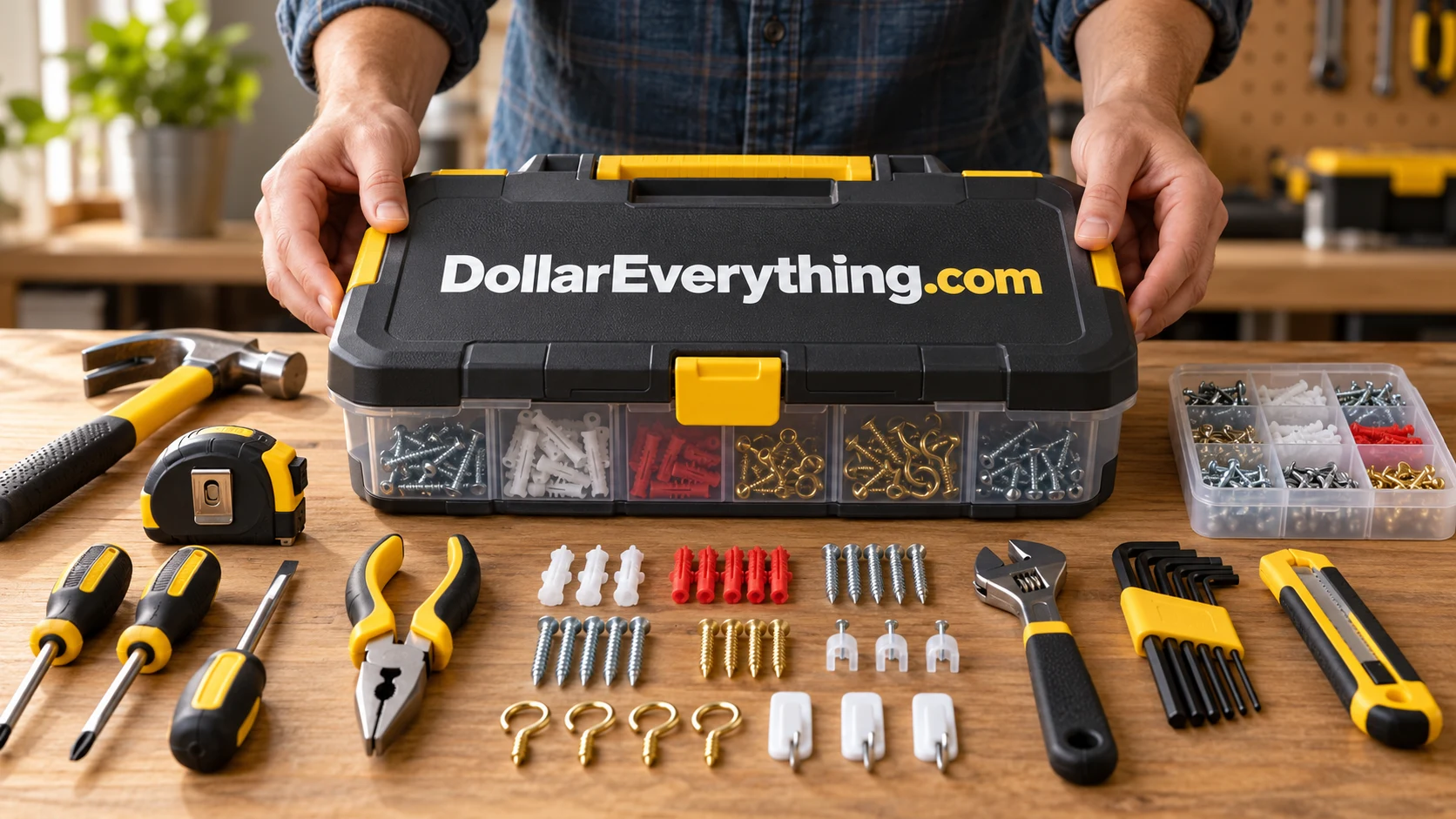
An internal bill of materials tracks supplier, cost, quantity, and substitutions. The customer version should translate those facts into an understandable contents list. State the size and number of each component. A photograph helps, but a photograph alone is a poor way to communicate whether a box contains two hooks or twelve.
Show what the kit can reasonably cover. For the hypothetical drawer example, specify the usable dimensions rather than saying fits most drawers without evidence. If a customer must trim a divider, explain that before purchase and show the tools needed. An honest limitation can help someone choose the right product instead of discovering a mismatch at home.
The FTC advertising FAQs offer a primary starting point for considering product claims and important disclosures. A kit business would need to review its own category and market. At the concept stage, the useful habit is to ask what a customer would reasonably infer from the headline and whether the contents support it.
Calculate the complete shipped kit
A bundle can make picking simpler, but that has to be measured. Record the time needed to count components, inspect them, assemble the kit, and protect it for transport. Include the package and printed instructions in the cost calculation. If a small missing piece creates a support request, its replacement cost may matter more than its purchase cost.
Pack a real sample and get current shipping information for the intended destination. USPS lists Ground Advantage service details, which can help frame one domestic shipping option. The correct service and price depend on the actual package and current terms. Never build the entire proposal around an assumed flat postage amount that nobody has checked.
For an early hypothetical comparison, calculate a one-kit order and a two-kit order separately. The second kit may fit in the same package, or it may force a larger one. Weight, size, handling time, and breakage risk can change the answer. Work with the physical prototypes so the spreadsheet reflects the object a customer would receive.
Teach the task without overselling it
Instructions should help a first-time customer decide where to start, check fit, and recognize the finished result. Use actual measurements and photographs from the prototype. A short demonstration can show an awkward step more clearly than several paragraphs, but the essential instructions should remain available in the package or a durable linked page.
Avoid promising a completion time until a useful test supports it. Someone familiar with the kit will work faster than a new customer. Watch a few people try the task without coaching, record where they hesitate, and improve the instructions before buying a large quantity of packaging. This is a product test, not a performance claim to borrow for advertising.
A focused launch could reach a small group already interested in the task through a relevant community or an existing permission-based audience. Ask for feedback on completeness, clarity, and value after the project, not only on the unboxing. A kit that looks appealing but remains unfinished has not yet demonstrated the intended benefit.
DollarEverything.com could connect a growing library of small-budget projects under one recognizable address. Each kit would need a clear actual price; the name should not imply that a complete project always costs a dollar. The next step is practical: choose one task, assemble the smallest complete kit, test the instructions, and calculate the delivered cost before deciding whether the idea deserves a wider range.